Find Out Why Premium Winter Clothing Is a Must-Have for Every Wardrobe
High-quality winter clothing is frequently overlooked in numerous wardrobes. Nevertheless, its significance cannot be underestimated. Appropriate insulation and the right materials are crucial for well-being and comfort. Invested wisely, these garments provide both longevity and elegance. As temperatures drop, understanding the essentials of winter attire becomes progressively important. What aspects should one emphasize when selecting winter wear? The answers may transform your approach to cold-weather fashion.
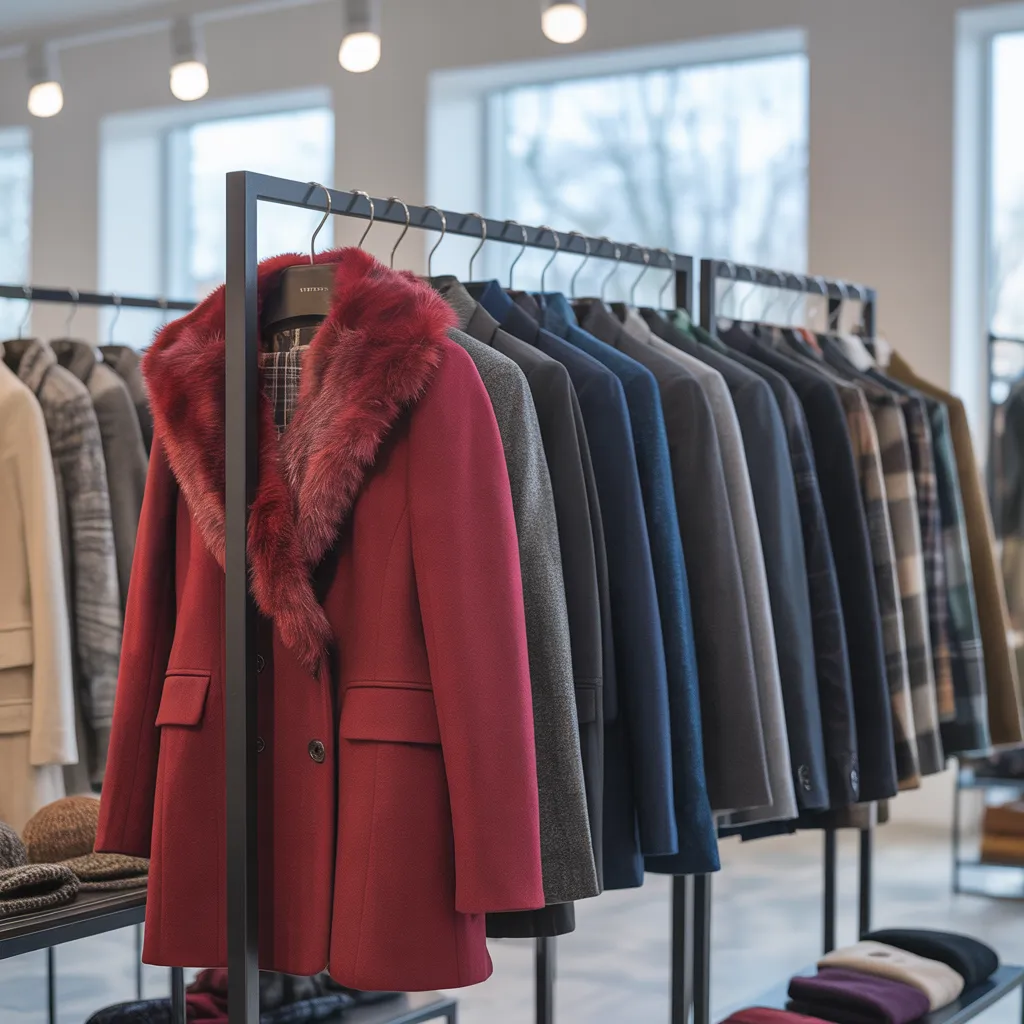
The Significance of Insulation for Winter Wear
Although numerous people focus on fashion when choosing winter clothing, insulation performs an essential role in maintaining warmth and comfort. Insulation serves as a barrier against harsh cold, trapping body heat and preventing it from escaping. Quality insulation materials, such as down feathers and synthetic fibers, work to maintain temperature, making sure that the wearer remains warm amid freezing conditions.
The quality and thickness of insulation directly impact the garment's warmth. Thicker layers generally provide better protection, however lightweight options can offer sufficient warmth without bulk. Furthermore, proper insulation boosts breathability, allowing moisture to escape while retaining heat.
In cold weather regions, purchasing well-insulated clothing is crucial for outdoor activities, as substandard insulation can lead to discomfort and health risks including hypothermia. Consequently, understanding the significance of insulation is vital for anyone looking to stay warm and comfortable during the winter months.
Choosing the Correct Fabrics for Chilly Weather
In choosing winter clothing, understanding the right fabrics is critical for optimizing warmth and comfort. Natural materials such as wool and down are renowned for their outstanding insulation properties. Wool is particularly effective at regulating body temperature and wicking moisture away from the skin, maintaining wearers dry and warm. Down, derived from the soft feathers of ducks or geese, provides a lightweight yet highly powerful insulation solution, ideal for jackets and see this article coats.
Artificial textiles, like polyester and nylon, also play a significant role in winter wear. These materials are often water-repellent and fast-drying, making them well-suited for outer layers subjected to the elements. Furthermore, fleece offers a soft, insulating layer that preserves heat without adding bulk. When picking winter clothing, it is important to evaluate the balance of warmth, moisture management, and weather resistance that different fabrics offer, ensuring comfort during cold weather conditions.
Adaptable Layering Strategy Approaches for Maximum Insulation
Layering represents a sensible technique for winter garments that optimizes heat retention and adjustability in changing temperatures. Effective layering fundamentals begin with a moisture-management base layer. This garment, typically constructed from synthetic materials or merino wool, maintains skin dryness by pulling perspiration away.
Subsequently, a thermal insulating layer, including fleece or down, maintains body heat without adding bulk. This layer can be adjusted based on activity levels; for example, one may select a lighter fleece for milder days or a thicker down jacket during extreme cold.
Ultimately, an outer layer, such as a warm coat, offers additional insulation. This outer layer can also hold additional mid-layers, enabling for fast adjustments. By carefully combining these elements, individuals can create adaptable outfits that guarantee optimal warmth, comfort, and flexibility throughout winter's variable weather.
How Waterproof and Windproof Materials Function
As winter weather can bring unpredictable elements, the significance of waterproof and windproof materials in winter clothing cannot be overstated. These materials serve as barriers against precipitation and cutting winds, seeing to it that individuals remain dry and warm in harsh conditions. Waterproof fabrics, often finished with durable water repellent (DWR) coatings, stop moisture penetration, while windproof materials prevent cold air from reaching the skin.
This mix is critical for upholding comfort and body heat during outdoor activities. To illustrate, a windproof jacket coupled with waterproof pants creates an effective shield against the elements, enhancing overall protection. Moreover, state-of-the-art developments in material science have led to the development of breathable waterproof fabrics, which let moisture from sweat to escape while keeping external water out. This balance of protection and breathability is essential for those taking part in winter sports or daily commutes, making quality winter clothing indispensable for anyone encountering the season's challenges.
How Superior Winter Garments Boost Your Style
Premium winter clothing significantly enhances the total look of an outfit, transforming standard ensembles into stylish statements. Its adaptable layering options allow individuals to adjust their looks to diverse occasions while maintaining warmth. In the end, investing in quality pieces can improve both functionality and fashion during the cold weather period.
Enhances Total Appearance Attractiveness
Winter clothing serves as a canvas for distinctive style choices, transforming everyday ensembles into impressive outfits. Premium winter garments, constructed from quality textiles, not only supply heat but also elevate appearance. Well-fitted overcoats, trendy pullovers, and elegant accents can uplift even the simplest of looks, adding refinement and charm. The materials and shades of high-grade winter apparel create a compelling difference, attracting notice and making a statement. Additionally, well-designed pieces offer improved sizing and flow more naturally, adding to an completely sophisticated aesthetic. By acquiring superior winter wear, individuals can showcase their unique style while ensuring they remain trendy and warm during colder months. In the end, high-grade seasonal attire is necessary for anyone looking to enhance their wardrobe.
Versatile Layer Alternatives
When exploring how to navigate frigid temperatures while maintaining a stylish appearance, versatile layering options play a vital role. Quality winter clothing offers a foundation for creating different looks, allowing individuals to mix and match pieces effortlessly. Base layers, such as thermal tops and leggings, provide warmth without bulk, while mid-layers like sweaters and cardigans add dimension. An outer layer, such as a tailored coat or a stylish puffer jacket, completes the ensemble and guards against the elements. Accessorizing with scarves, hats, and gloves further enhances the outfit while allowing for personal expression. This adaptability not only provides comfort and warmth but also elevates overall style, making quality winter clothing a vital component of any wardrobe.
Long-Term Investment: Price versus Quality
When considering winter clothing, the balance between cost and quality serves a crucial function in long-term savings. Higher-quality garments often provide outstanding performance, justifying their initial price tag. Acquiring durable, well-made items can result in substantial benefits over time, lowering the need for frequent replacements.
Long-Term Cost Savings Advantages
Purchasing quality winter clothing can generate considerable long-term savings, often surpassing the initial costs connected to higher-end garments. While cheaper options may seem enticing at first, they typically require regular replacement due to poor-quality materials and construction. Quality winter wear, designed for longevity, can remain functional for many seasons, minimizing the need for constant purchases. Additionally, high-quality fabrics often offer better insulation and protection against the elements, resulting in reduced heating costs and improved comfort. This not only improves the wearer's experience but also minimizes the likelihood of illness during colder months. Ultimately, choosing durable and well-crafted clothing is a financially sound decision that supports both personal well-being and economic savings over time.
Results Above Pricing
Whereas countless buyers might be drawn to prioritize price over functionality when selecting winter clothing, the extended benefits of purchasing quality often show a different narrative. Superior winter garments is crafted with superior materials and workmanship, providing improved warmth retention, waterproofing, and longevity. This produces enhanced ease and shielding against harsh elements. Budget options may originally seem attractive, but their lack of durability can result in repeated replacements, eventually raising expenditures. By choosing well-made clothing, people not only ensure heat and performance but also promote environmentally conscious fashion approaches. Consequently, focusing on quality over price becomes a smart decision, fostering both monetary and sustainability benefits while ensuring a reliable clothing collection for winter challenges.
Common Questions
How Can I Properly Maintain My Winter Apparel?
For proper care of winter clothing, it's important to clean based on fabric instructions, steer clear of excessive heat when drying, store in a dry, cool space, and regularly inspect for damage to ensure durability and functionality.
Which Brands Offer the Best Quality Winter Clothing?
A number of brands excel for quality winter clothing, including Patagonia, copyright, The North Face, and Columbia. These brands are celebrated for their durable materials, innovative designs, and commitment to warmth and protection against rigorous weather conditions.
Can I Use Winter Clothing in Gentle Climates?
Indeed, winter clothing can be worn in mild climates. Nevertheless, individuals should select lighter fabrics and layers to ensure comfort, steering clear of overheating while still enjoying the style and warmth that quality winter pieces provide.
How Do I Choose Winter Clothing for Outdoor Activities?
To select winter clothing for outdoor activities, one should prioritize insulation, moisture-wicking fabrics, and wind resistance. Layers are essential for adjustability, while appropriate fit provides both comfort and freedom of movement during various weather conditions and activities.
What Size Should I Purchase for Layering During Winter?
When selecting winter layering, one should select a size that provides comfortable movement and accommodates base layers. A somewhat looser fit can improve insulation while providing ease during outdoor activities and keeping overall warmth.